
How to Maintain Your Drapery in Humid Climates


Understanding the Challenges of Humidity
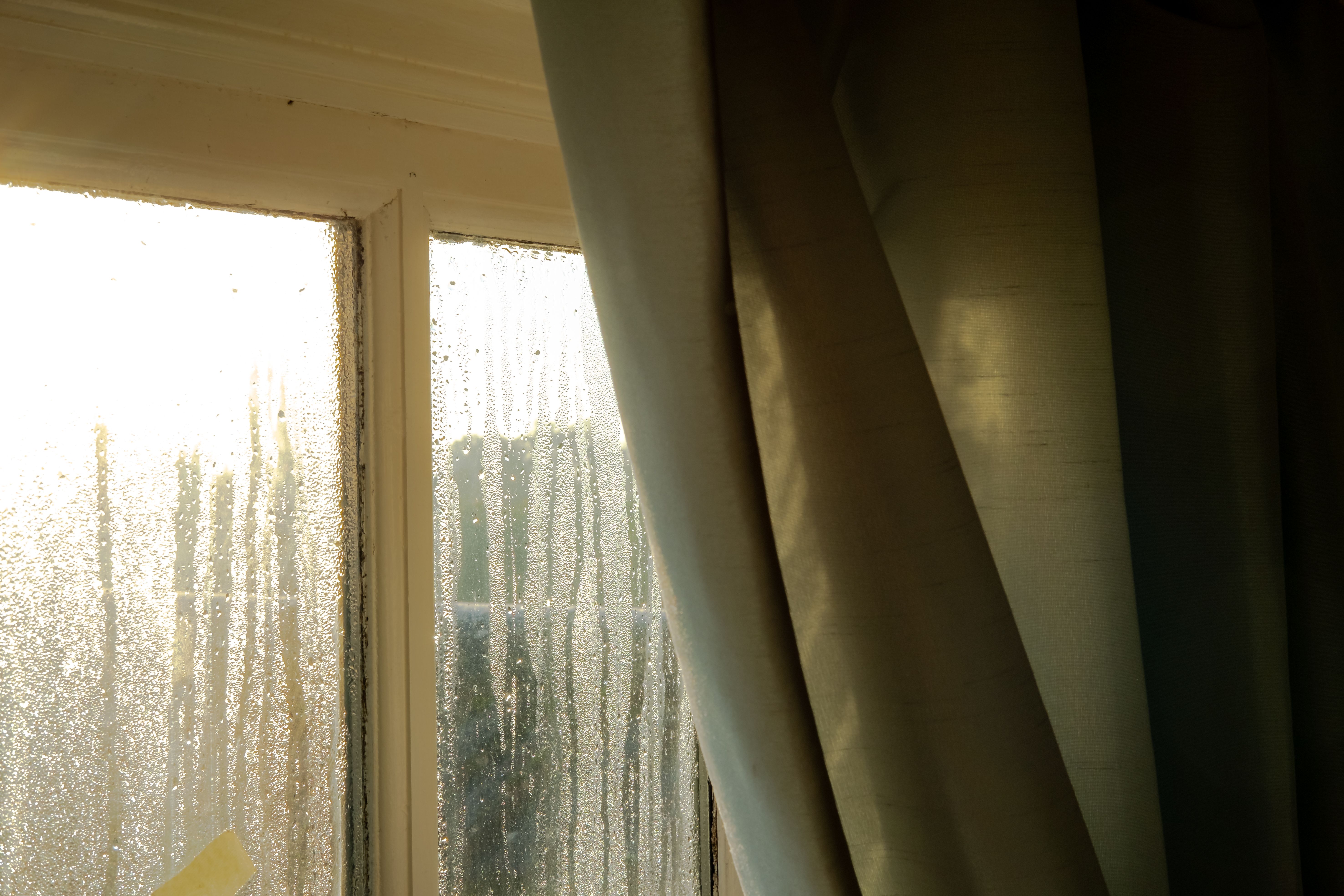
Maintaining drapery in humid climates can be challenging due to the increased risk of mold, mildew, and fabric damage. High humidity levels can cause fabrics to absorb more moisture, leading to potential deterioration over time. Understanding these challenges is the first step in preserving your drapery.
Humidity can also cause colors to fade and fabrics to stretch or shrink. Therefore, selecting the right materials and implementing specific maintenance strategies is crucial for extending the life of your drapery.
Choosing the Right Fabrics
When it comes to drapery in humid climates, fabric selection is key. Opt for materials that are more resistant to moisture, such as synthetic blends and treated natural fibers. These materials are less likely to absorb moisture and can help prevent mold growth.
Consider fabrics like polyester or acrylic, which are known for their durability and moisture resistance. Avoid heavy fabrics such as velvet or wool, which can retain moisture and become breeding grounds for mold and mildew.
Using Protective Linings
Adding a protective lining to your drapery can provide an additional barrier against humidity. Linings not only protect the fabric from moisture but also help in insulation, keeping your home cooler in hot climates. This extra layer can significantly reduce the risk of damage.
Regular Cleaning and Maintenance
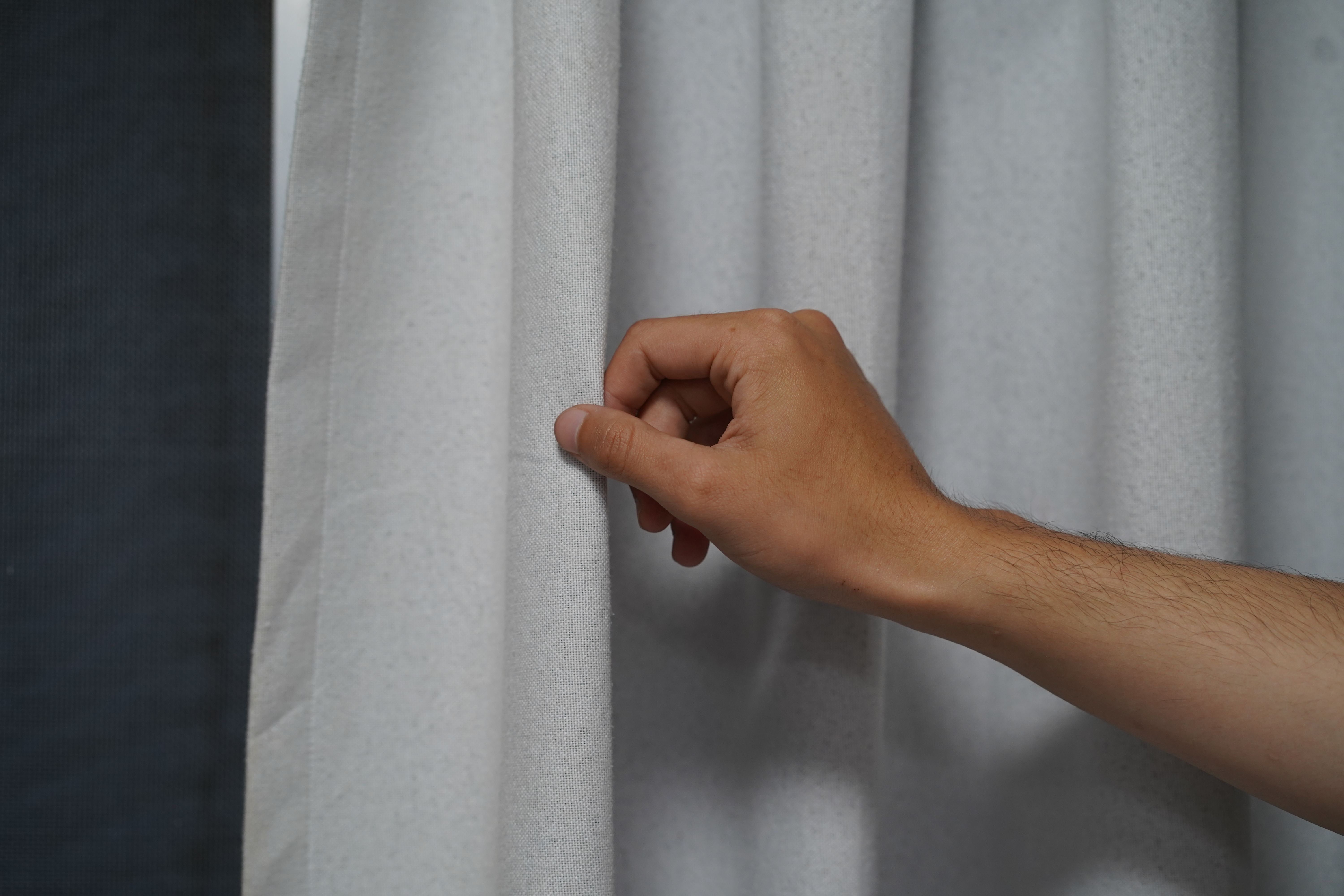
Regular cleaning is essential to maintain your drapery in humid climates. Dust and dirt can trap moisture, leading to mold growth. Follow these steps to keep your drapery clean:
- Vacuum your drapery regularly using a soft brush attachment.
- Spot clean any stains immediately with a mild detergent.
- Consider professional cleaning services for deep cleaning, especially for large or delicate drapes.
Controlling Indoor Humidity
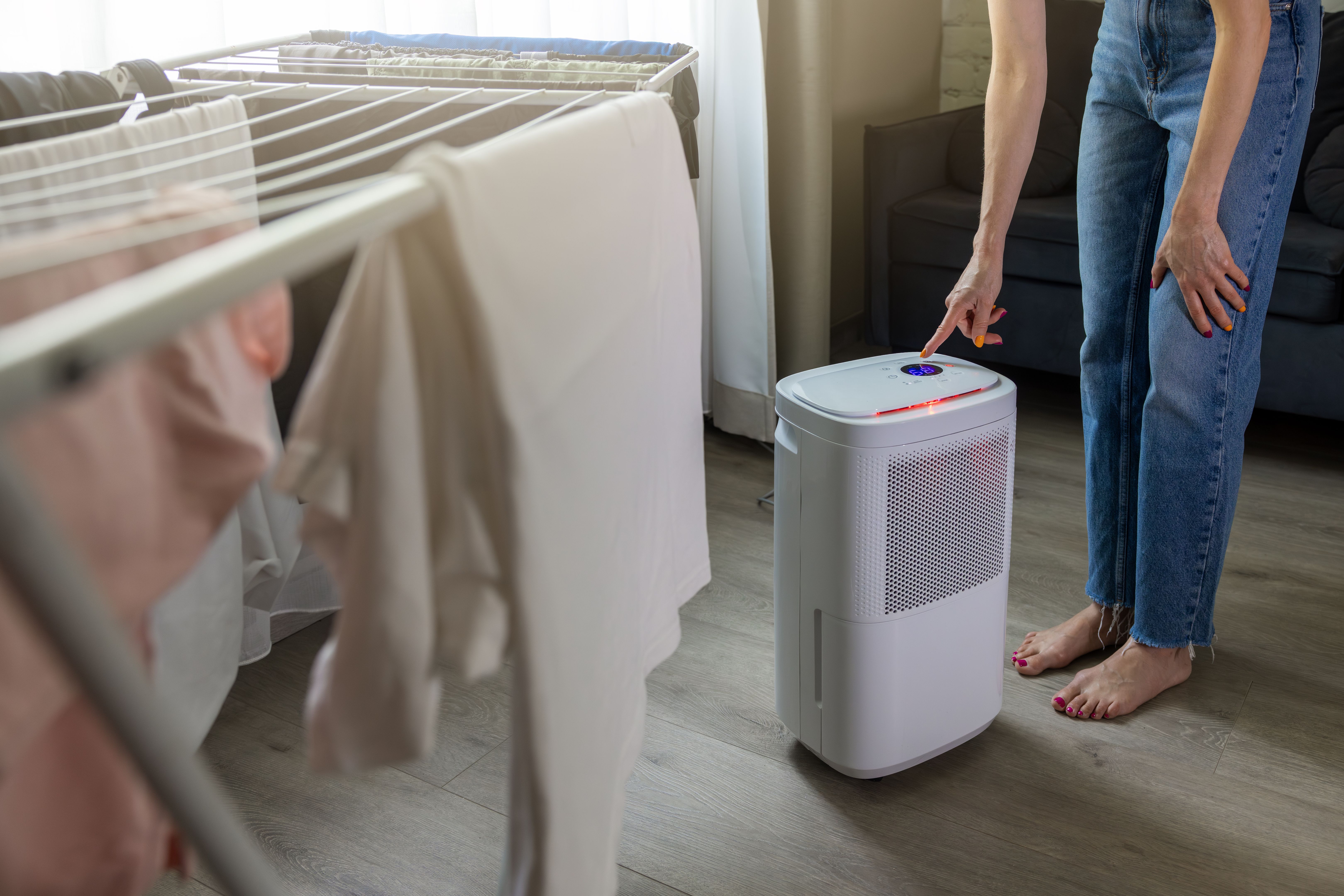
Managing the humidity levels inside your home can significantly impact the longevity of your drapery. Use dehumidifiers to keep moisture levels in check, and ensure good air circulation with fans or air conditioning.
Implementing Preventative Measures
Besides regular cleaning and fabric choice, there are other preventative measures you can take. For instance, keep windows closed during high humidity periods or use window treatments that allow for easy air movement.
Consider installing blinds or shades that can be adjusted for optimal airflow. This will help reduce moisture accumulation on your drapery.
Long-Term Care Tips
For long-term care, regularly inspect your drapery for signs of wear or damage. Look for any signs of mold or mildew and address these issues immediately to prevent further damage. Rotating your drapery with seasonal changes can also reduce wear and tear.
By following these guidelines, you can maintain the beauty and functionality of your drapery even in the most humid climates.