
The Ultimate Comparison: Smart Blinds vs. Traditional Blinds


Introduction
When it comes to choosing window treatments, the decision often boils down to smart blinds versus traditional blinds. Each option offers distinct advantages and drawbacks, making the choice depend largely on individual needs and preferences. In this article, we'll explore the key differences to help you make an informed decision.
Convenience and Control
Smart Blinds
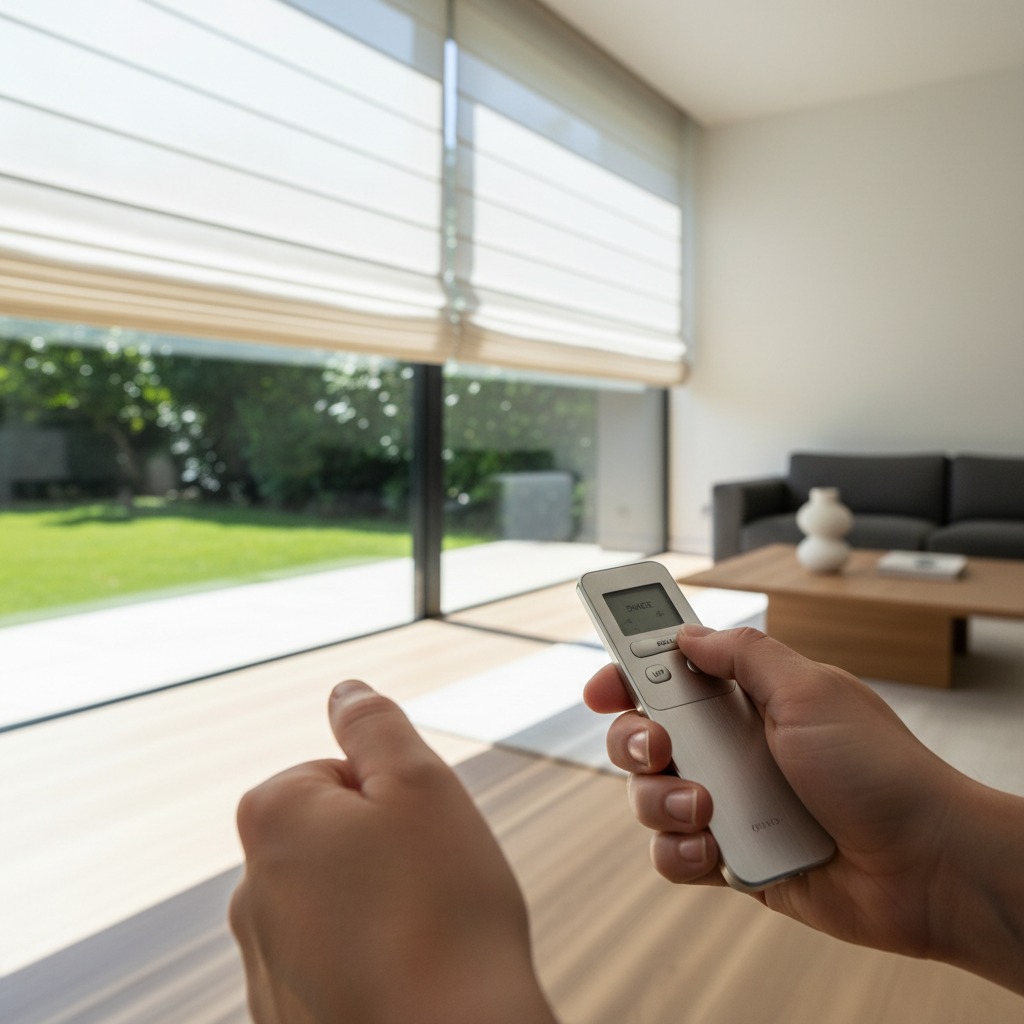
Smart blinds offer unparalleled convenience, allowing you to control them remotely via a smartphone app or voice commands. Whether you’re at home or miles away, you can adjust your blinds with ease. This feature is particularly useful for enhancing home security by giving the appearance that someone is always home.
Traditional Blinds
On the other hand, traditional blinds require manual adjustment. While this might seem less convenient, it allows for tactile control and can be more intuitive for some users. Moreover, there's no need for technical setup or the risk of app malfunctions.
Energy Efficiency
Both smart and traditional blinds can contribute to energy efficiency, but smart blinds often have the edge. With programmable schedules, smart blinds can optimize natural light and reduce energy consumption by working in tandem with your heating and cooling systems.

Cost Considerations
Smart Blinds
The initial cost of smart blinds is typically higher due to the integrated technology. However, they can offer long-term savings through energy efficiency and potential decreases in utility bills.
Traditional Blinds
Traditional blinds are generally more budget-friendly upfront. They come in a wide range of materials and styles, allowing you to find options that suit your aesthetic and financial preferences without breaking the bank.
Installation and Maintenance
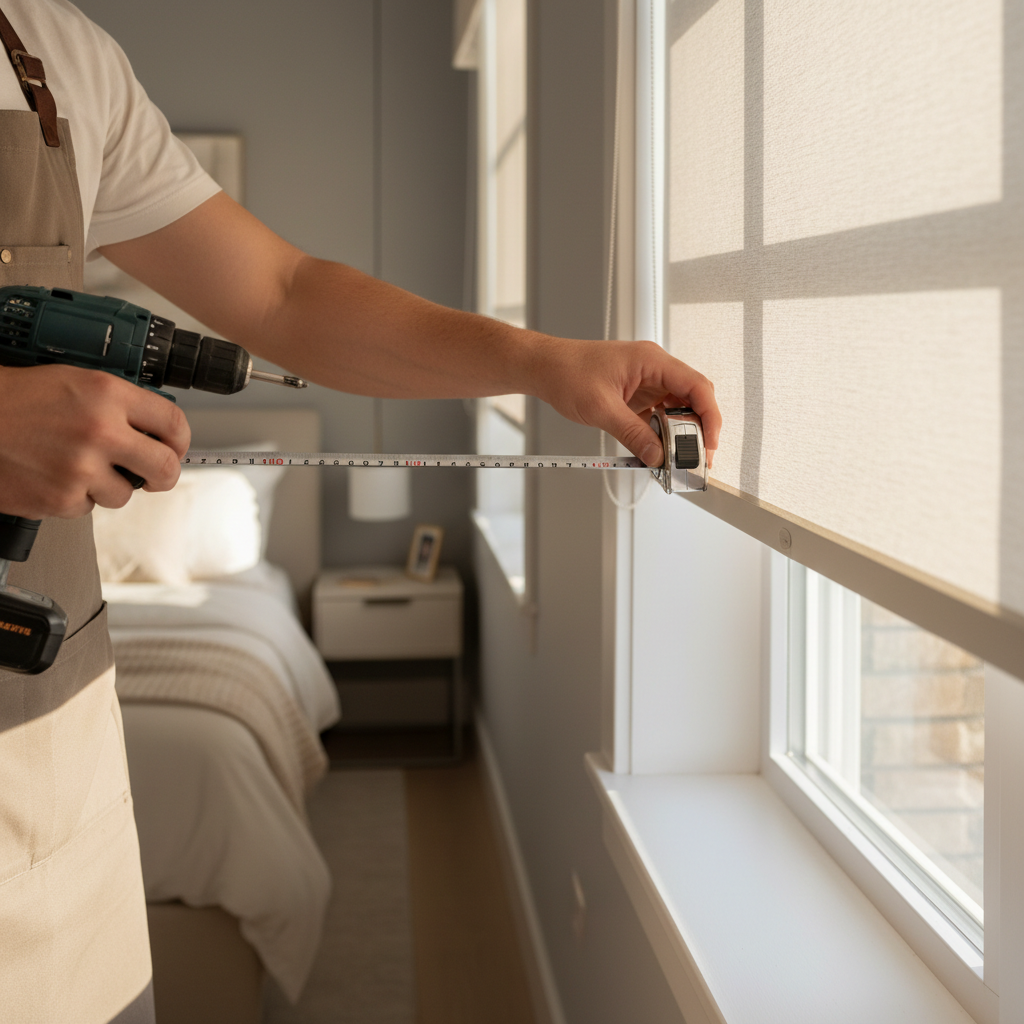
Smart blinds often require professional installation and may involve more complex maintenance due to their electronic components. In contrast, traditional blinds are generally easier to install and maintain, making them a straightforward choice for DIY enthusiasts.
Design and Aesthetics
When it comes to design, both smart and traditional blinds offer a variety of styles to match your home decor. However, smart blinds tend to have a more modern, sleek look, fitting well in contemporary settings.
Conclusion
Ultimately, the choice between smart blinds and traditional blinds hinges on your priorities. If convenience, energy efficiency, and modern aesthetics are important to you, smart blinds may be worth the investment. However, if you prefer simplicity, cost-effectiveness, and ease of use, traditional blinds are a solid choice. Assess your needs carefully to make the best decision for your home.